Trust earned by execution.
A relationship that grew from launching a new brand — identity, design system and site — into modernising a major corporate website that had no CMS at all.

A new organisation with nothing: no mark, no system, no site. We built the identity, the design system and terreal.us.

The corporate site: 100+ product pages, search and filtering, hand-maintained in HTML with no CMS. Rebuilt on WordPress. This is the before-and-after further down the page.
Ludowici was a substantial site — a full product portfolio, search, filtering, deep content — maintained entirely in HTML, CSS and JavaScript.
We were engaged first for something smaller. Terreal North America had no digital presence and needed one. After seeing the work and the way we operated, the client handed us the main Ludowici corporate site.
It had no content management system. Routine updates meant a developer, which meant the sales and marketing teams could not keep their own product and informational content current.
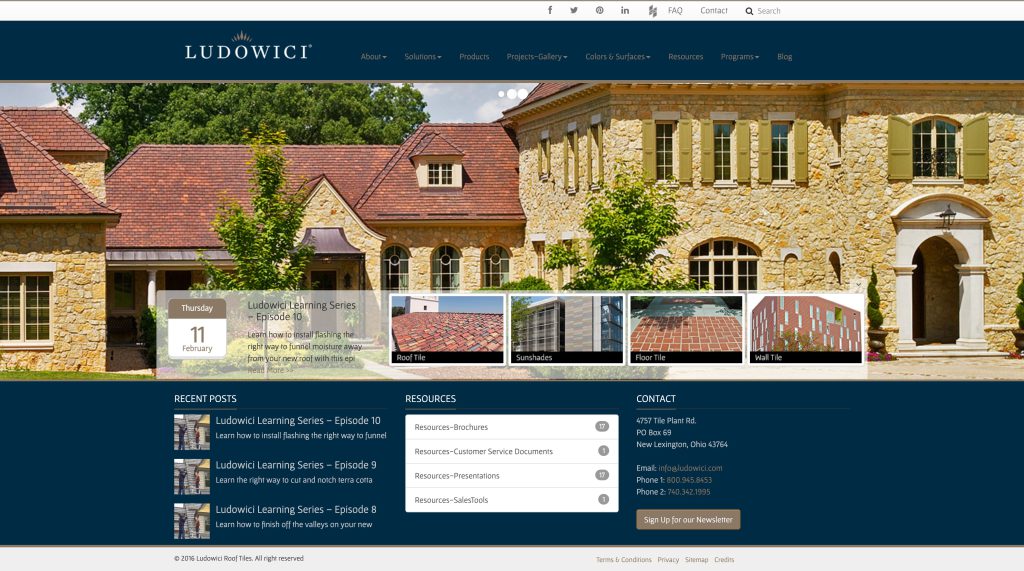
We modernised the foundation without losing what already worked: the product organisation, the search, the filtering.
The Ludowici site was rebuilt on WordPress with its content-management foundation and information architecture modernised, while product organisation, search, filtering, navigation and the content experience were preserved and improved. The project ran approximately six to seven months.
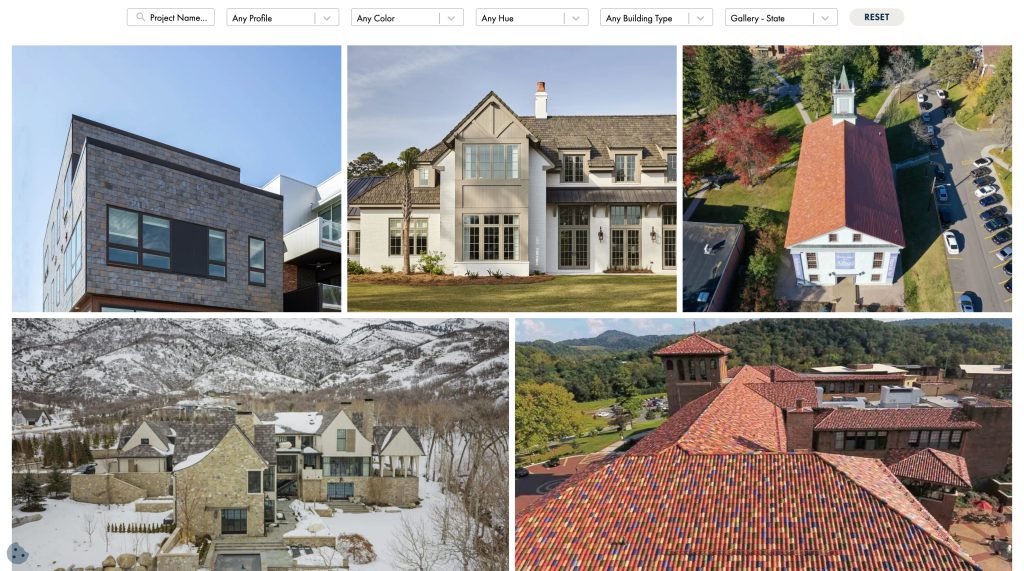
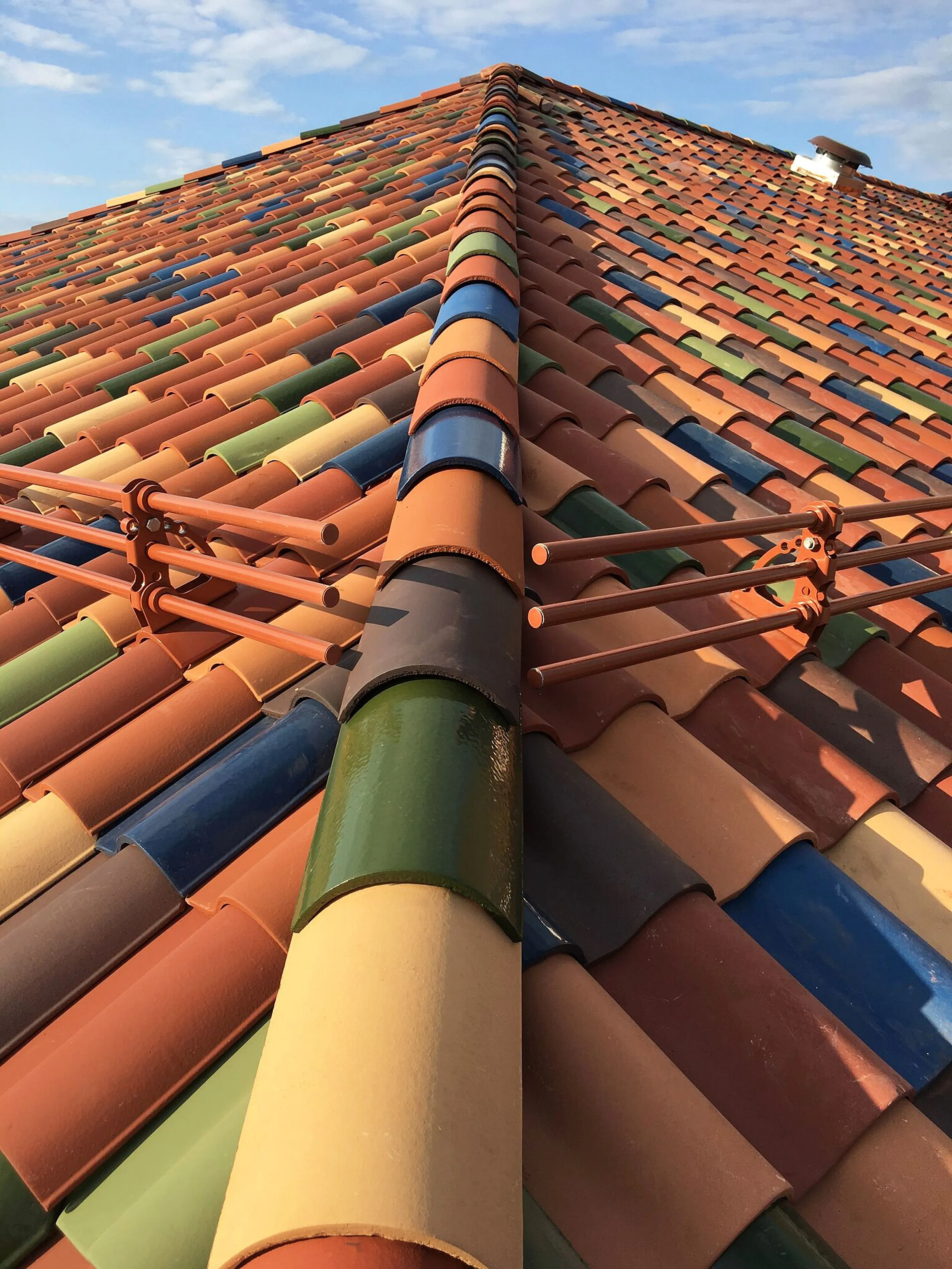
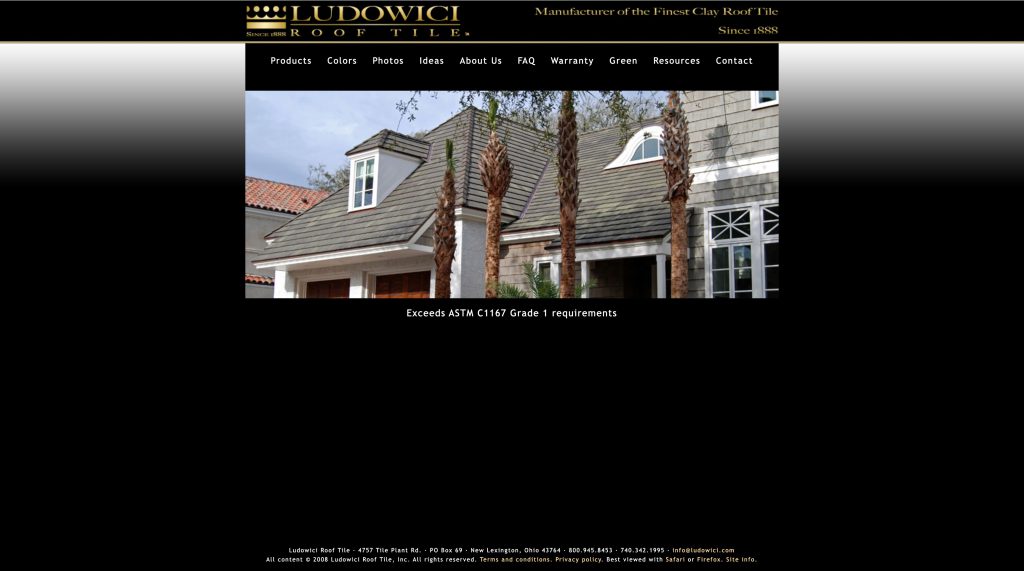
Update-speed and traffic figures were never instrumented on this engagement — the mechanism is the claim
“We sell a product that lasts a century, and it used to take a fortnight and a developer to change a paragraph about it. Now the people who know the tile own the page.”
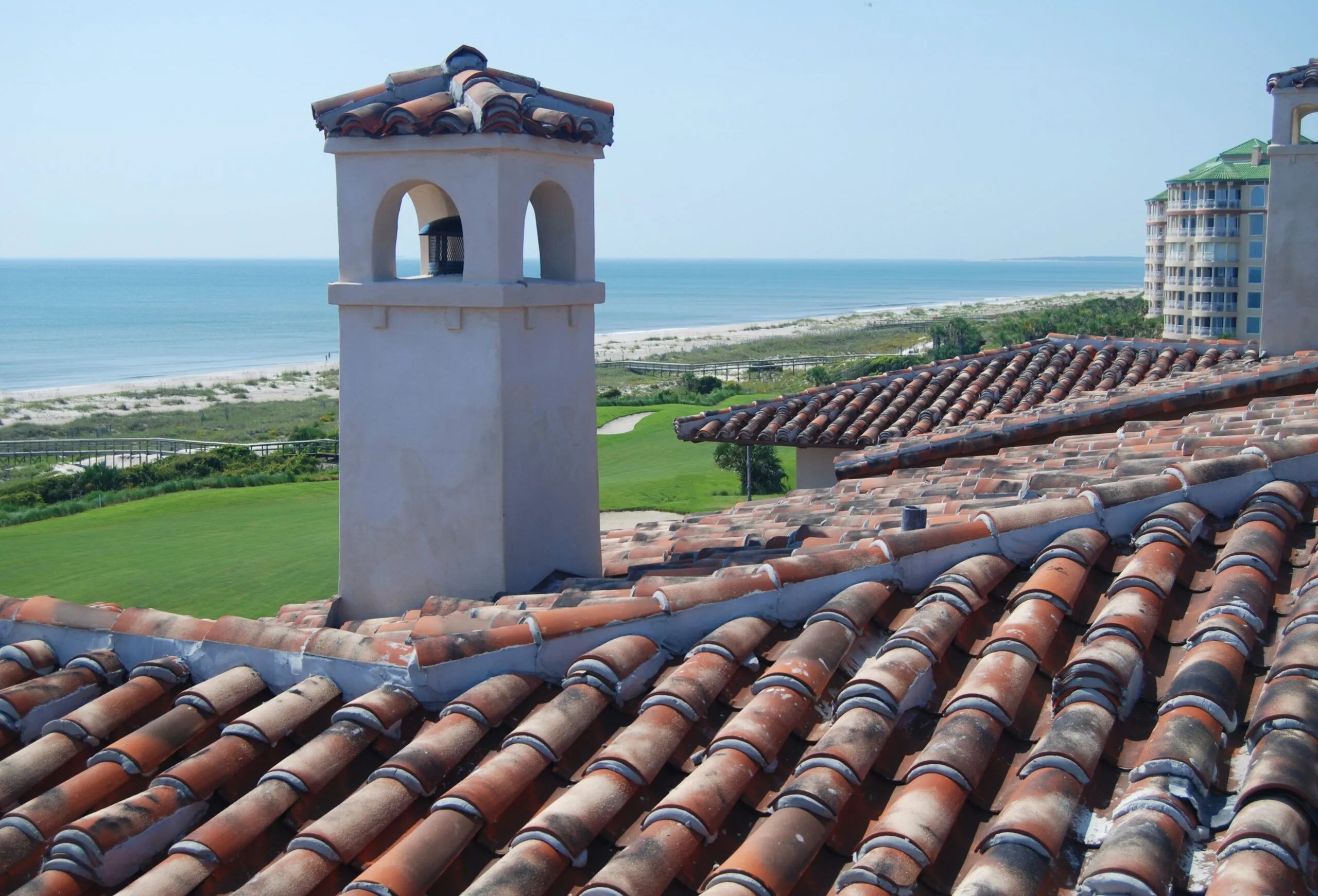
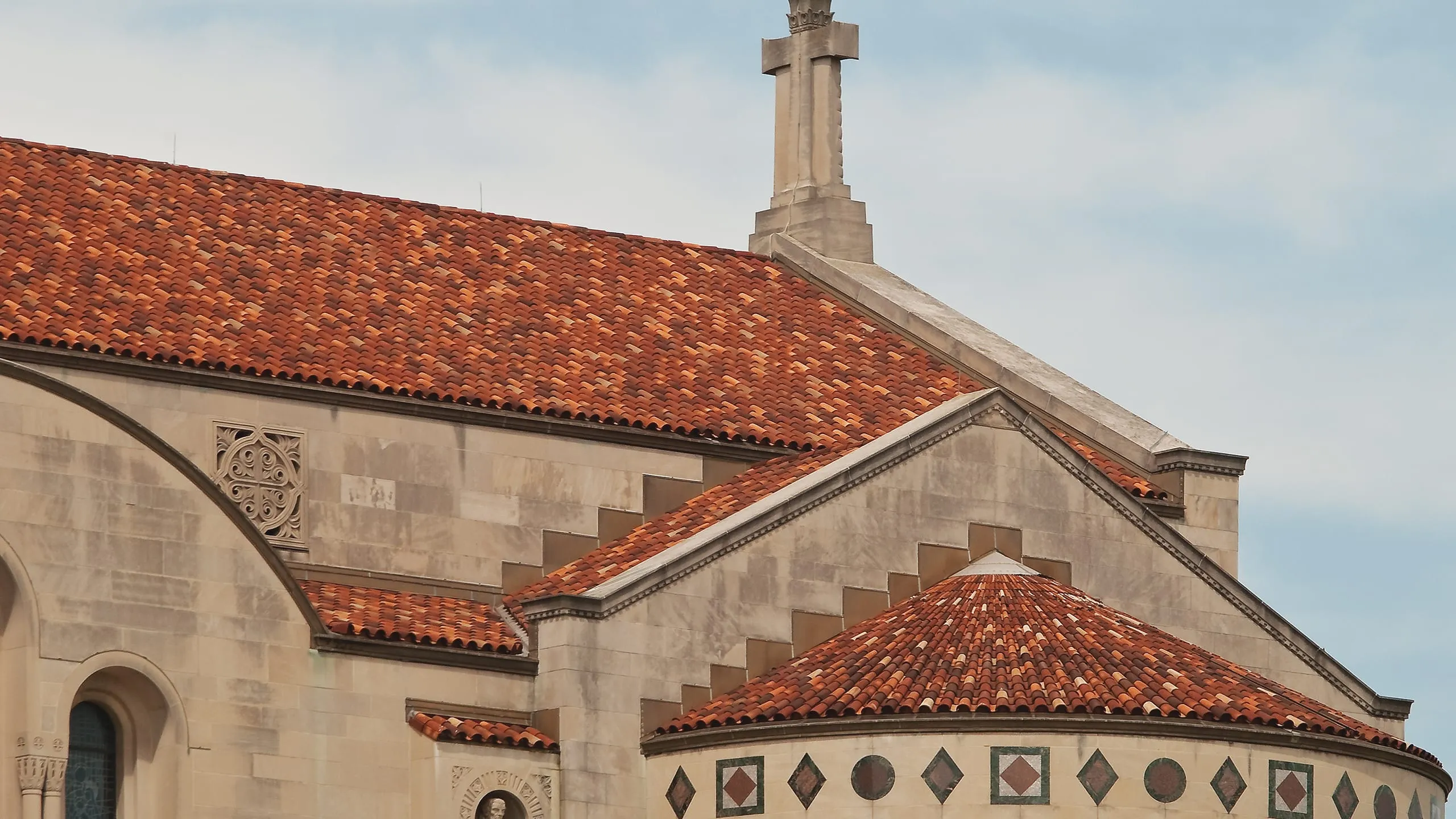
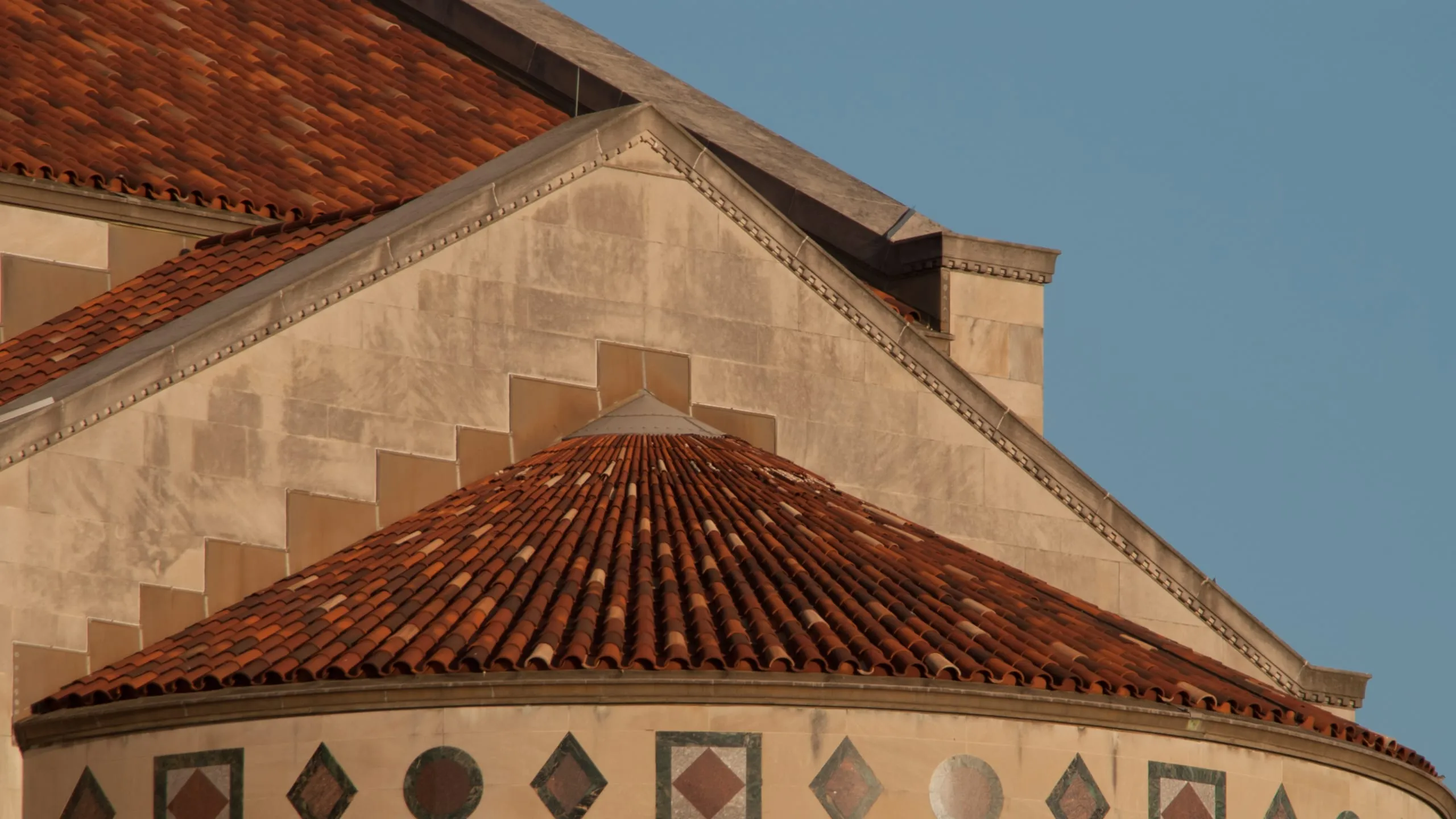
The new CMS dramatically improved update speed and gave internal teams far greater control over content and SEO.
Sales teams shared direct links to relevant product and informational content instead of describing where to look. Marketing published without raising a ticket.
The quality and reliability of the work expanded the relationship beyond the original project. The engagement closed in 2016; both sites shipped and were handed over with the teams running them.